I Never Planned to Write
I never planned to write a poem, and I certainly never planned to write at all. If you had asked me ten years ago what I would be doing after retirement, this would not have crossed my mind. I pictured quiet mornings, fixing small things around the house, maybe taking longer walks than I used to. Writing felt like something other people did. People who knew what they wanted to say. People who had always been good with words.
Retirement changes time in a strange way. Days open up, but they also stretch. At first it feels like freedom, and then it starts to feel like too much space. I found myself sitting at the kitchen table longer than usual, coffee going cold, flipping through old mail and not really reading it. I needed something to hold onto, something that gave the day a shape.
One afternoon, while scrolling online without much purpose, I came across a place where people were sharing poems. Not famous poems, not polished ones, just regular people putting words down and letting others read them. I spent longer there than I expected, reading piece after piece. Eventually I landed on a page about how to write a poem, and it surprised me how approachable it felt. Nothing lofty. Nothing intimidating. It made the idea seem possible in a way I had not considered before.
I did not jump in right away. I read quietly for a while. I told myself I was just curious. But the truth is, something had started to move. I kept thinking about moments from my own life that I had never really spoken about. Small things. Ordinary days. The kind you do not realize you will miss until they are long gone.
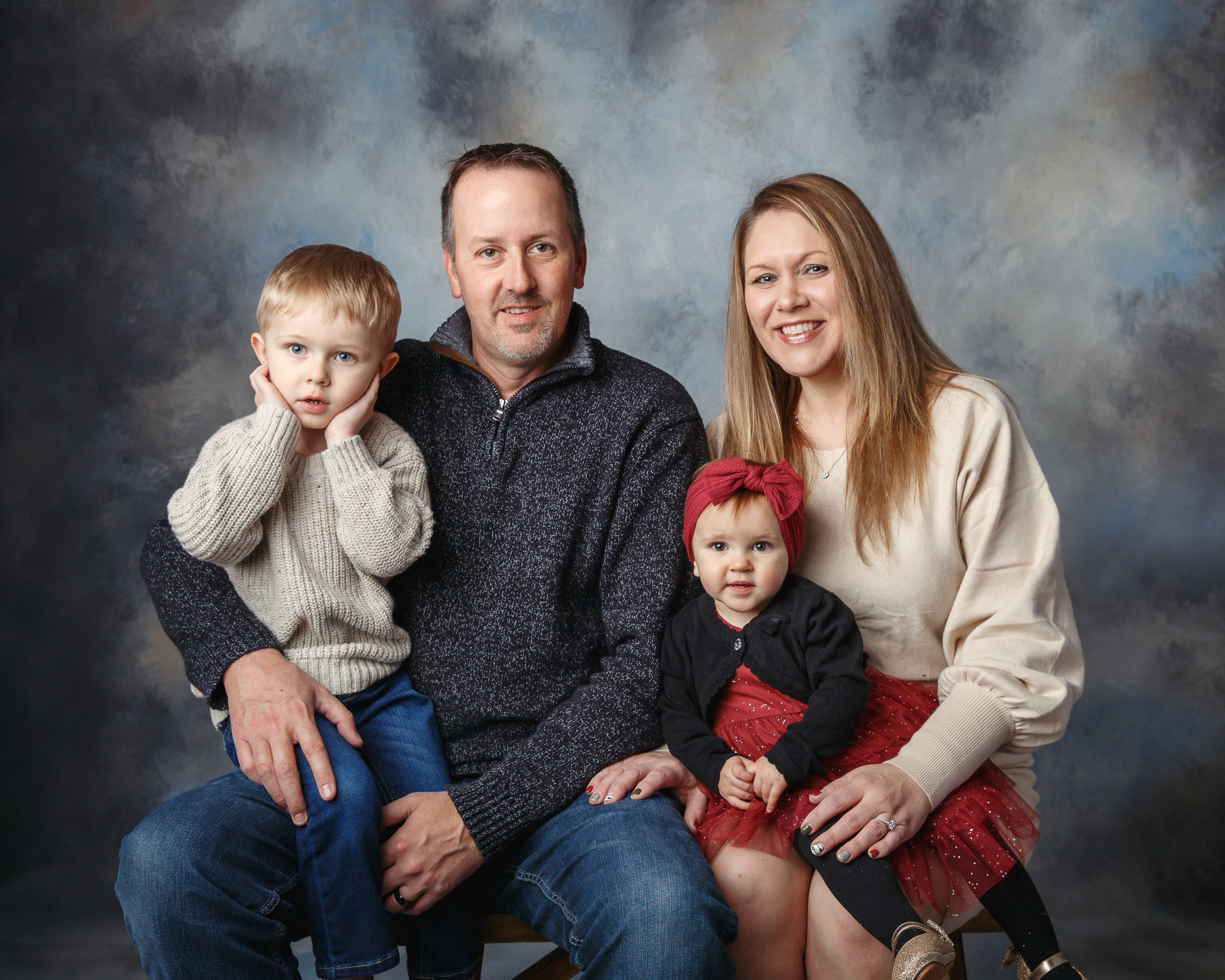
My first attempt came around my eldest son Michael’s birthday. He was turning forty, which still feels strange to say. I remember holding him as a baby and thinking time moved slowly back then. Somehow it did not. I sat down one evening and tried to write something just for him. I did not know what I was doing. I kept crossing lines out. I kept worrying if it sounded foolish. At some point I stopped overthinking and just wrote what I remembered.
Sharing it felt heavier than I expected. I was not used to letting people see that side of me. When I finally posted it, my hands actually shook a little. I did not get a rush of confidence or relief. What I felt instead was a quiet sense of relief, like I had put something in the right place after holding it too long.
I have four children, all grown now, each with their own lives and rhythms. When they were younger, our days were loud and busy. You do not think about memory back then. You are just trying to get through the day. Writing gave me a way to step back into those years without pretending they were perfect. I wrote about arguments, long drives, late nights, and quiet moments that meant more than I realized at the time.
One memory kept returning no matter what I tried to write about. A family trip to Florida. I cannot say why that one stayed with me. Maybe because everyone was still at home then. Maybe because the photos captured us in motion, not posing, just living. I pulled out old scrapbooks and let myself linger longer than usual. Each photo seemed to carry a weight I had ignored for years.
I started pairing photos with words. One memory per day. Nothing ambitious. I told myself I was not trying to become anything. I was just trying to hold onto something. That was when I realized that this kind of writing did not have to be about sounding clever. Sometimes it was just about telling the truth slowly enough that it did not slip away.
Writing did not make me younger or wiser. It did not fix regrets. What it did was give me a way to honor what we lived through together instead of letting it fade. That felt like enough.
After that first poem for Michael, something shifted in me. Not in a dramatic way. It was quieter than that. I started noticing moments during the day when a line would form in my head without me asking for it. Usually it happened while I was doing something ordinary, like washing dishes or standing in the yard watching the dog stare at nothing in particular. I would think, that sounds like something I should write down, and then I would argue with myself about it for a few minutes before finally giving in.
I was surprised by how much of my life I had never put into words, even privately. I had always been the type to show up, to work, to provide, and then move on to the next thing. Talking about feelings was not how I was raised. You handled what was in front of you and you did not dwell too long on the rest. Writing cracked that habit open. Once it started, it did not ask politely.
I kept thinking I would run out of things to say, but the opposite happened. Memories I had not touched in decades came back with odd clarity. The smell of sunscreen in the car. The way hotel carpets always felt damp. My kids fighting in the back seat and then falling asleep ten minutes later. These were not big moments. They were the kind you assume will always be there, which is probably why they fade first.
Some days I would sit down intending to write about one thing and end up somewhere else entirely. I might start with a vacation memory and end up thinking about my own father, or about the way time feels different when you realize there are more years behind you than ahead. I would reread what I wrote and wonder if it made sense to anyone else. Sometimes it did not even make sense to me the next morning.
That was when I learned something important, even if I did not have the words for it at first. Writing was not about making sense right away. It was about giving the moment a place to land. Once it was on the page, I could look at it without feeling rushed. I could let it sit there and decide later what it meant, if it meant anything at all.
I started keeping a small notebook on the kitchen counter. Nothing fancy. I wrote in it when the mood struck, which was more often than I expected. Sometimes it was just a sentence. Sometimes it was half a page that went nowhere. I stopped judging it. That might have been the hardest part, letting myself be bad at something without apologizing for it.
My wife noticed before I said anything. She asked why I was always scribbling things down. I told her I was just trying something new, which was true, but not the whole truth. What I did not say was that I felt lighter afterward, like I had taken something out of my head and set it down gently instead of carrying it around all day.
I also noticed how careful I became with language. Not in a technical way. More like listening closely. I paid attention to how people spoke, how my children told stories when they called, how certain words carried more weight than others even when they were simple. It made conversations feel fuller, like I was finally hearing what had always been there.
There were moments when I hesitated to keep going. I wondered if this was just a phase, something I would grow bored with once the novelty wore off. But each time I thought about stopping, another memory surfaced, another moment asked for attention. I realized that learning to write a poem was not about becoming a poet. It was about giving myself permission to notice my own life.
That permission changed how I looked at the past. Instead of feeling like something closed and distant, it felt active again. Alive. Not perfect, not rewritten, just acknowledged. I did not feel like I was chasing time or trying to relive it. I was simply saying, this mattered, and I am allowed to remember it.
By then, writing was no longer something I did occasionally. It had worked its way into my days quietly, the way habits do when they feel right. I did not set goals or schedules. I just kept showing up to the page when something nudged me there. Looking back, that was the moment it stopped being an experiment and started being part of who I was becoming.
As the weeks went on, I noticed that writing started to shape my days instead of the other way around. I would wake up already half aware of something I wanted to get down later. Not a full idea, just a feeling hanging there, like a coat I needed to grab before heading out. It made mornings feel less empty. Even quiet days had a kind of direction.
I did not write every day, and I did not feel guilty about that. Some days were meant for errands, or for sitting on the porch watching the weather move in. But even on those days, I found myself paying closer attention. I listened to the sound of the house settling at night. I noticed how certain rooms felt heavier with memory than others. Awareness became part of the process whether I picked up a pen or not.
The poems themselves did not come out neatly. They wandered. They doubled back. Sometimes they stopped short and left me staring at the page, unsure how to finish. I learned to leave them alone when that happened. Pushing only made them stiff. Walking away usually helped. A day or two later, a line would show up while I was folding laundry or standing in line somewhere, and suddenly the piece would breathe again.
I also began to understand that not every memory needed to be explained. Some things worked better when they were simply placed next to each other. A photo. A sentence. A small detail like the way sand stuck to our feet after the beach. When I stopped trying to connect everything neatly, the meaning felt clearer somehow. Less forced. More honest.
At some point, I decided to look for guidance. Not rules, just reassurance that I was not completely off track. That was when I came across a page that walked through how people approach this process without pressure. Seeing examples and simple explanations helped me understand that there was no single right way to write a poem, and that took a lot of weight off my shoulders. It made the next steps feel easier instead of intimidating.
I started experimenting a little more after that. I played with shorter pieces. I tried writing around an object instead of an event. A suitcase. A motel key. A pair of sunglasses left on the dashboard too long. These small anchors kept me from drifting too far into my own head. They gave the memories something solid to rest on.
What surprised me most was how this spilled into conversations with my children. When I shared a poem, it often opened the door to stories I had never heard before. They remembered things differently than I did. Sometimes better. Sometimes funnier. Sometimes more painful. Listening to their versions did not erase mine. It added to them.
I began to see these pieces not as finished products, but as markers. Proof that a moment existed and that I had taken the time to acknowledge it. That alone felt worthwhile. I did not worry much about whether others liked them. When someone connected with one, it was a bonus, not the goal.
There were still doubts. I wondered if I was repeating myself, or if I was stuck in the past too much. I questioned whether this was healthy or just indulgent. Those thoughts came and went. What stayed was the sense that I was finally engaging with my own history instead of skimming past it.
Writing changed how I carried memory. It no longer felt like something fragile I was afraid to drop. It felt sturdy, like it could be handled, examined, even set down and picked back up again later. That shift alone made the effort worth it.
By the time I realized how far this had taken me, it was already woven into my routine. Not loudly. Not proudly. Just there, waiting when I needed it. I had not set out to become expressive, but somehow, through words on a page, that is exactly where I was headed.
Somewhere along the way, I stopped thinking of writing as something separate from the rest of my life. It blended in quietly, the way habits do when they fit. I would be standing in the garage looking for a tool and end up staring at an old box of things I forgot we kept. Ticket stubs, maps, a cracked pair of sunglasses. I did not always write about them, but I noticed them differently now.
I realized how much I had rushed past my own years without ever slowing enough to take stock. Not because I did not care, but because caring took time I thought I did not have. Retirement gave me that time, but writing taught me how to use it. It gave shape to hours that might have otherwise slipped by without leaving much behind.
Florida kept returning to me in pieces. The way the air felt heavy even early in the morning. The sound of traffic outside the motel room before anyone else was awake. I wrote those details down without worrying about where they belonged. I trusted that they mattered simply because they stayed with me. That trust was new.
There were days when the memories surprised me with how emotional they felt. Not sad exactly, just full. I would finish a paragraph and sit there longer than necessary, hands resting on the table, breathing slower than usual. I learned not to rush those moments away. They passed on their own when they were ready.
I also noticed how writing softened my view of mistakes. Moments I once regretted felt different when I put them on the page. Not erased, but understood. Seeing them in words made them feel human instead of heavy. It reminded me that I did the best I could with what I knew at the time, even when the outcome was not perfect.
I began sharing more, not just with family, but with people who did not know me at all. That was harder than I expected. Family understands your context whether they want to or not. Strangers only have the words. Letting go of control there was uncomfortable, but it was also freeing. I did not need to explain myself.
Some responses surprised me. People saw things I had not intended, connections I had not noticed. At first, that unsettled me. Then I realized it did not take anything away from what I meant. It added to it. Meaning did not have to be singular to be true.
I stopped worrying about whether something qualified as good writing. That question led nowhere useful. Instead, I asked myself if it felt honest. If the answer was yes, I let it stand. That simple shift removed a lot of noise from my head.
At one point, I caught myself telling someone that I had learned how to write a poem later in life. The sentence surprised me as it came out. I was not bragging. I was stating a fact. It felt steady, like something I had earned quietly rather than claimed.
What mattered most was not the label, though. It was the way writing allowed me to meet my past without flinching. To sit with it, sort through it, and choose what to carry forward. That kind of engagement felt rare, and I did not take it lightly.
By then, writing was no longer about starting something new. It was about continuing something that had already taken root. I could feel it growing in directions I had not planned, and for once, I did not feel the need to steer it too tightly.
By this point, the act of sitting down to write no longer felt like a decision. It felt closer to checking the weather or locking the door before bed. Something I did because it belonged there. I stopped announcing it to myself. I just opened the notebook or the computer and let whatever showed up take its turn.
I noticed that my sense of time had changed. Days felt less blurred together. When I wrote about something, it took on a clearer edge in my mind. I could place it, revisit it, even argue with it a little. That surprised me. I had always assumed memory faded on its own schedule, but attention seemed to slow that process down.
There were still stretches when nothing came easily. On those days, I resisted the urge to force it. I had learned that forcing usually led to stiff words and shallow thoughts. Instead, I trusted that noticing was enough. Paying attention counted, even if nothing ended up on the page that day.
I started rereading older pieces occasionally. Not to edit them, just to see where I had been. Some made me wince. Others made me smile. A few felt like they had been written by someone I no longer was, which I found oddly comforting. It meant things were still moving.
What I appreciated most was how forgiving this process had become. There was no deadline, no standard I had to meet. If a piece felt unfinished, it could stay that way. If it felt complete, I let it rest. Learning to trust that instinct took time, but once it settled in, it stayed.
I also realized that the idea of learning to write a poem had changed for me. It was no longer about technique or structure. It was about presence. About being willing to sit with a memory long enough to hear what it still had to say. That kind of patience was not something I had practiced much before.
Sometimes I shared a piece and heard nothing back for a while. That used to bother me. Now it did not. Silence felt neutral instead of judgmental. I had already gained what I needed from the act itself. Any response afterward was extra.
What surprised me most was how calm this made me feel about aging. Writing did not stop time, but it made time feel less like something slipping through my fingers. It gave shape to years that might have otherwise felt like a blur looking back.
I began to understand that this was not about leaving something behind for others. It was about staying present while I was still here. About acknowledging that my life, ordinary as it may have seemed, was worth paying attention to.
That realization settled quietly, without fanfare. It did not ask me to change who I was. It simply asked me to keep showing up, listening closely, and letting the words do what they needed to do.
Now, when I look back at how this all started, it feels simple in hindsight. Not easy, but simple. I was a retired father with time on his hands and memories he did not want to lose. I did not set out to change myself. I just followed a quiet pull and trusted it would lead somewhere worthwhile.
Writing has become a way of keeping company with my own life. I do not rush through moments anymore, even the small ones. I notice how a morning light hits the kitchen table, how a voice sounds different over the phone when someone is tired, how certain thoughts show up again and again asking to be acknowledged.
I still feel unsure sometimes. I still reread things and wonder if they say what I meant them to say. But that uncertainty does not stop me the way it once did. It feels like part of the process now, not a sign that I should turn back.
When people ask why I keep doing this, I struggle to explain it clearly. It is not about getting better or being seen. It is about staying present. About letting the years I have lived speak instead of letting them blur together quietly.
I have learned that to write a poem does not require confidence first. It creates confidence slowly, through showing up and paying attention. Through letting words be imperfect and honest and unfinished when they need to be.
What I treasure most is how this has changed my relationship with memory. The past no longer feels like something sealed away. It feels accessible, touchable, and still useful. I can visit it without getting stuck there.
I do not know how long I will keep writing this way. Maybe it will evolve into something else. Maybe it will stay exactly as it is. Either way feels fine to me now. I am no longer measuring it against anything.
This was never about finding a new identity after retirement. It was about recognizing the one I already had and giving it room to breathe. Writing simply gave me a language for that.
If there is one thing I have learned, it is that ordinary lives hold more than we think. They ask only that we pay attention long enough to hear them. I am glad I finally did.